

2026 · All levels
How to Learn Japanese Language: A Complete Beginner's Roadmap for 2026
Learning Japanese can feel exciting and intimidating at the same time. Many beginners start with strong motivation after watching anime, planning a Japan trip, or exploring Japanese culture but quickly become overwhelmed by conflicting advice online.
If you are asking yourself, "How can I learn Japanese language properly from scratch?" the answer is not about finding one perfect app or shortcut. Real progress usually comes from building strong foundations, studying consistently, and following a structured learning path.
At Bunka Language School, we have noticed that many students learning Japanese in Singapore struggle early on because they try to learn everything at once instead of focusing on the right fundamentals first. Whether your goal is travel, conversation, or long-term fluency, having a clear roadmap can make the learning process far more manageable.
Key Takeaways
- Beginners learn Japanese more effectively when they follow a structured roadmap instead of studying random topics without direction.
- Hiragana, katakana, core grammar, listening, and speaking should all develop together during the early stages.
- Consistency matters more than long study sessions, especially for learners balancing work or school commitments.
- Students learning Japanese in Singapore often progress faster when combining self-study with structured classroom practice.
- A beginner Japanese class provides accountability, speaking opportunities, and guided progression that many self-learners struggle to maintain alone.
Step 1: Understand What Makes Japanese Different
Before memorising vocabulary or grammar, it helps to understand why Japanese feels challenging for beginners.Japanese differs from English in several major ways:- Different sentence structure
- Multiple writing systems
- Context-heavy communication
- Formal and informal speech variations
- Different cultural communication styles
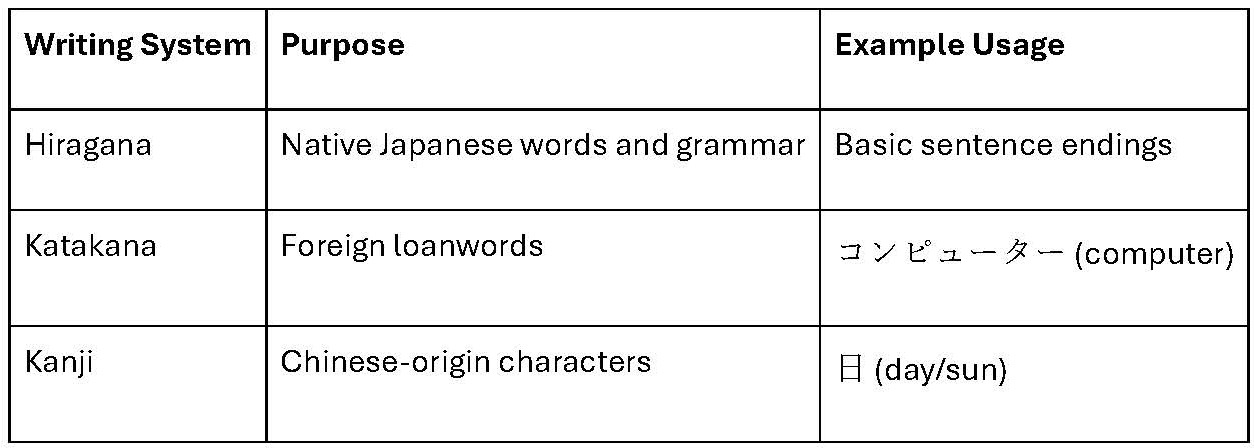
Understanding this early prevents frustration later. Japanese is not difficult because learners are “bad at languages”. It simply requires adjustment and consistent exposure.
Step 2: Learn Hiragana First

Source: Envato
One of the biggest beginner mistakes is avoiding the writing systems.
Some learners rely entirely on romaji, which uses English letters to represent Japanese sounds. While romaji may feel easier initially, it slows progress significantly over time.
Why Hiragana Matters
Hiragana is essential because:- Grammar particles use hiragana
- Most beginner materials rely on it
- Reading becomes much easier
- Pronunciation improves naturally
When to Learn Katakana
While hiragana is typically the first writing system beginners focus on, katakana becomes increasingly important as learners progress. Katakana is commonly used for:- Foreign words
- Brand names
- Technology terms
- Menu items
- Modern expressions
Practical Tips for Memorising Kana Faster
Use Writing Practice
Writing characters repeatedly improves recognition more effectively than passive memorisation.Learn Small Groups Daily
Trying to memorise all characters in one weekend often causes burnout.Read Simple Japanese Immediately
Applying kana in real words strengthens retention faster than isolated memorisation. Students in a beginner Japanese class usually develop their reading skills progressively alongside practical vocabulary and sentence construction, making the process feel less overwhelming.Step 3: Build Core Grammar Foundations Early
Many beginners focus heavily on vocabulary while neglecting grammar.However, grammar is what allows learners to actually communicate ideas.Without grammar:- Vocabulary stays disconnected
- Sentences sound unnatural
- Listening comprehension becomes difficult
- Conversation confidence stays low
The Most Important Beginner Grammar Concepts
- Basic Sentence Structure: Japanese sentences usually place the verb at the end, which requires learners to adjust to a different way of organising thoughts compared to English.
- Particles: Particles such as は, が, を, and に help indicate the role of words in a sentence, including the topic, subject, object, or direction.
- Verb Conjugation: Japanese verbs change depending on tense, formality, negation, requests, and possibility, making verb patterns an important part of beginner grammar.
- Question Formation: Japanese questions are often formed by changing sentence endings or adding question particles rather than rearranging word order.
- Common Beginner Expressions: Learners should focus on practical everyday phrases used in conversations, greetings, shopping, travel, and daily interactions instead of memorising uncommon vocabulary early on.
Step 4: Start Listening Earlier Than You Think
Many beginners delay listening practice because native Japanese sounds too fast.This is a mistake.Listening should begin from the start, even if comprehension feels low initially.Early listening exposure helps learners:- Recognise pronunciation patterns
- Improve rhythm and intonation
- Develop natural comprehension
- Reduce dependence on translation
Beginner-Friendly Listening Sources
Good beginner listening materials include:- Slow Japanese podcasts
- Beginner dialogues
- Japanese learning YouTube channels
- Audio from structured courses
- Short conversational clips
Step 5: Learn Japanese Through Real-World Content
The best way to reinforce what you learn is by encountering Japanese in real situations.Many beginners spend all their time studying textbooks but rarely interact with authentic Japanese materials. While structured lessons provide important foundations, real-world exposure helps learners see how the language is actually used. This is why many Japanese language class programmes in Singapore encourage students to engage with Japanese content outside the classroom as part of their overall learning journey.Beginner-friendly content may include:- Children's books
- Simple news articles
- Japanese YouTube channels
- Restaurant menus
- Product packaging
- Travel guides
Step 6: Learn Vocabulary Through Context
Memorising random word lists is one of the least efficient ways to learn Japanese.Vocabulary becomes easier to retain when learned through:- Conversations
- Stories
- Listening
- Real examples
- Repeated usage
High-Priority Vocabulary Categories for Beginners
Instead of trying to learn everything immediately, beginners should prioritise:- Daily activities
- Food and restaurants
- Time expressions
- Travel vocabulary
- Family and relationships
- Shopping
- Questions and responses
Step 7: Create a Sustainable Study Routine
 Source: Envato
One of the biggest reasons learners quit Japanese is burnout.
Many beginners start with unrealistic study schedules:
- 4 hours daily
- Multiple textbooks at once
- Hundreds of flashcards
- Intensive memorisation
A Better Beginner Study Structure
A more realistic weekly structure may include:
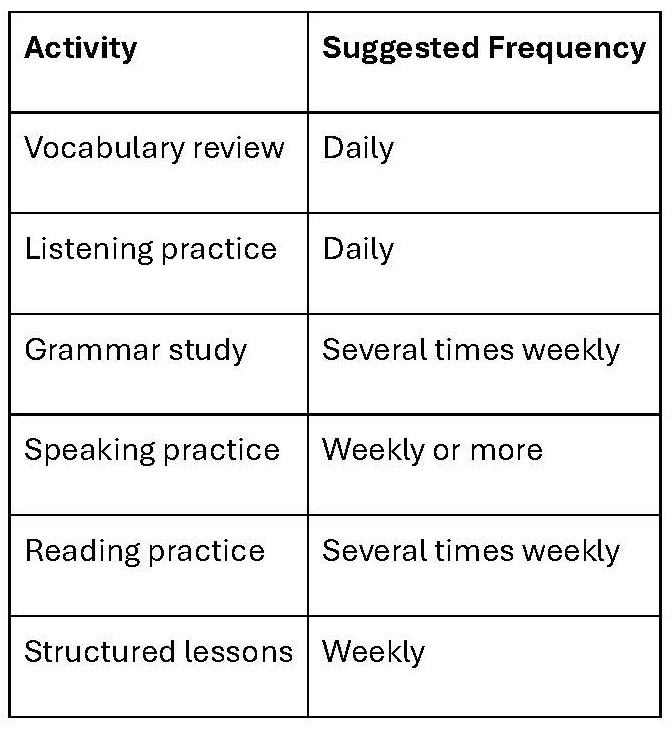
Consistency matters far more than intensity.
Even 20 to 30 minutes daily can create strong long-term improvement when maintained consistently.
Step 8: Avoid Common Beginner Mistakes
Many learners unintentionally slow their own progress.- Relying Only on Apps: Language apps can support revision and vocabulary building, but they rarely develop balanced speaking, listening, and conversational skills on their own.
- Avoiding Speaking Practice: Many learners hesitate to speak because they fear mistakes, but speaking confidence only improves through regular real-life usage and interaction.
- Constantly Switching Resources: Jumping between too many apps, textbooks, videos, and study methods often creates confusion and prevents learners from building consistent progress.
- Obsessing Over Perfection: Trying to form perfect sentences before speaking at all can slow improvement and reduce confidence over time.
- Ignoring Listening Practice: Listening comprehension develops gradually through repeated exposure to spoken Japanese, even when learners do not understand everything immediately.
How to Track Your Progress Without Feeling Discouraged
Many beginners assume they should become fluent quickly, which often leads to frustration.The reality is that Japanese progress is usually gradual. Small improvements often go unnoticed until learners compare their current abilities with where they started. This is especially true for students learning Japanese in Singapore, where balancing language study with work, school, or other commitments can make progress feel slower than it actually is.Some useful progress markers include:- Reading hiragana without assistance
- Understanding familiar phrases during listening practice
- Writing simple sentences
- Following basic classroom conversations
- Holding short exchanges in Japanese
Should Beginners Self-Study or Join a Class?
Self-study can work well for learners who enjoy independent learning and can maintain a regular study routine. However, beginners often find it challenging to decide what to study next or whether they are progressing correctly.Structured classes provide a clear learning pathway, regular feedback, and opportunities to practise new skills with guidance from experienced instructors. Many learners find that combining self-study with structured lessons creates a more balanced and sustainable approach to learning Japanese.How to Stay Motivated When Learning Japanese
Many beginners start learning Japanese with excitement but struggle to maintain momentum after the first few months.Some practical ways to stay motivated include:- Setting small weekly goals
- Tracking completed lessons
- Celebrating milestones
- Consuming Japanese content you genuinely enjoy
- Studying with classmates or language partners